Complete Airbnb Amenities List: Essentials to Luxury
A useful Airbnb amenities list does more than collect popular products. It separates baseline expectations from upgrades, matches each feature to the guests a property serves, and accounts for cleaning, safety, maintenance, and replacement. Use this categorized guide to audit an existing rental or plan a new one without buying features that create more problems than value.
How to Prioritize Airbnb Amenities
Start with amenities that prevent a failed stay: reliable utilities, sleep, hygiene, safety, connectivity, and an accurate listing. Add conveniences that solve common guest frustrations next. Invest in distinctive or premium features only when local competitors, target guests, and operating capacity support them.
- Meet the baseline: confirm every advertised essential works consistently.
- Match the guest: choose family, pet, work, accessibility, outdoor, or luxury features based on likely demand—not personal taste.
- Calculate the complete cost: include installation, permits, insurance, cleaning time, utilities, consumables, inspections, and replacement.
- Make it operable: assign a turnover check, maintenance interval, and owner for each amenity.
- Measure the result: track booking questions, listing conversion, review mentions, maintenance incidents, and rate performance before adding more.
Essential Comfort and Sleep Amenities
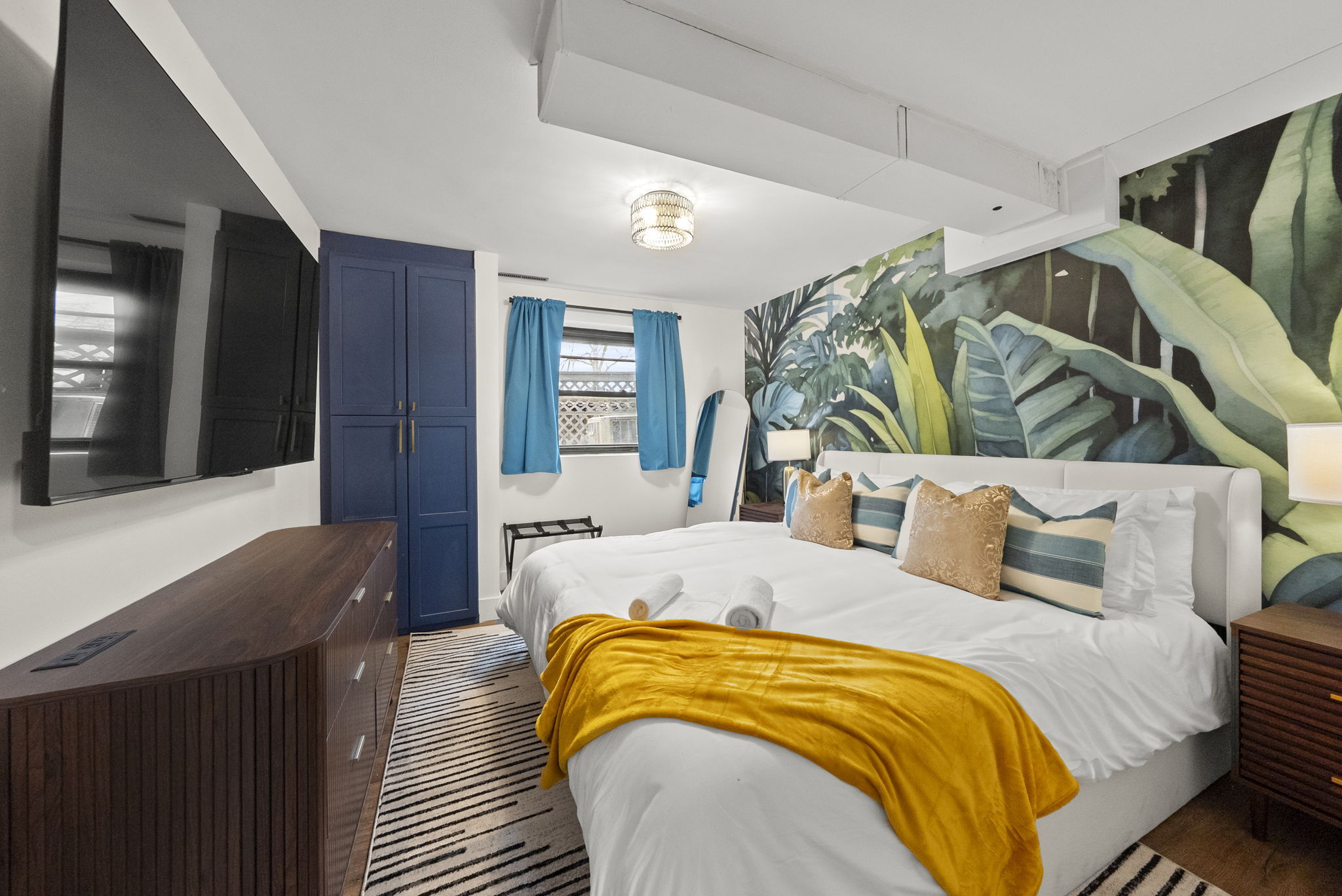
Guests may forgive a missing novelty, but they notice poor sleep and unreliable climate control immediately. Every sleeping space should have a supportive mattress, clean mattress and pillow protectors, freshly laundered linens, multiple pillow types, an extra blanket, bedside lighting, and accessible charging. Blackout curtains or blinds matter where early sunlight or street lighting interrupts sleep.
- Reliable heating and cooling with simple instructions
- Two complete linen sets per bed for resilient turnovers
- Closet or hanging space, luggage support, and adequate bedside storage
- Iron and ironing board or steamer
- Fans or supplemental blankets where seasonal conditions require them
Bathroom and Personal-Care Amenities
Provide enough towels for the listed occupancy, plus hand towels and washcloths. Stock toilet paper, hand soap, shampoo, conditioner, body wash, a hair dryer, a waste bin, and basic cleaning supplies guests can use for small spills. Refillable dispensers can reduce waste when they are labeled, cleaned, and refilled under a documented process.
Test hot water, drainage, ventilation, water pressure, locks, and grab points during routine inspections. Non-slip surfaces and well-lit paths are more valuable than decorative accessories. Never advertise accessibility features unless measurements and conditions are accurate.
Kitchen and Dining Amenities
A functional kitchen needs cookware, bakeware, preparation tools, dishes, glassware, flatware, food storage, a microwave, toaster, coffee maker, and appliances appropriate to the listing. Stock quantities against maximum occupancy and leave enough extra place settings to avoid forcing an immediate dishwasher cycle. Keep a can opener, corkscrew, sharp knives, cutting boards, and grilling tools when a grill is advertised.
Starter consumables can include coffee, tea, sugar, salt, pepper, cooking oil, dishwasher detergent, dish soap, a new sponge, paper towels, and trash liners. Remove opened or expired food during turnover. For detailed quantities and restocking controls, use the complete Airbnb kitchen essentials checklist.
Connectivity, Work, and Charging
Reliable Wi-Fi is a baseline amenity for most rentals. Test speed and coverage in bedrooms, work areas, and outdoor spaces represented as usable. Larger or multi-level homes may need a mesh network. Provide the network name, password, troubleshooting steps, and a support contact without exposing router administration credentials.
- A dedicated desk or table rather than requiring the dining table
- A supportive chair and task light
- Accessible outlets, USB charging, and a surge-protected power strip
- A clearly stated internet speed measured at the property
- Backup instructions for outages when remote work is a core use case
Entertainment and Indoor Recreation
Keep entertainment intuitive. A smart TV with a simple remote, clear sign-in/sign-out instructions, and casting support is usually more useful than a complicated multi-device system. Do not promise paid services unless guest access is reliably maintained.
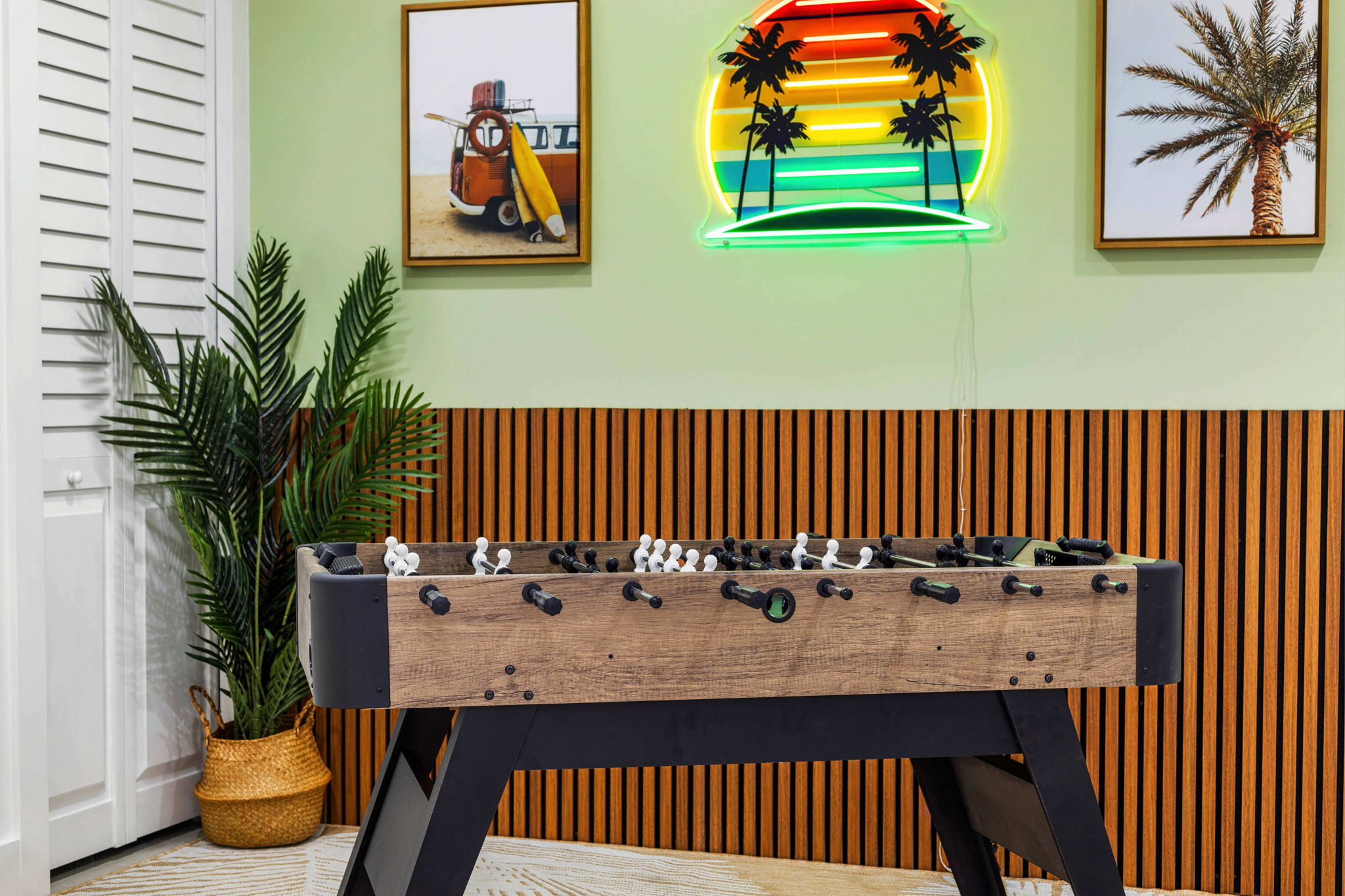
Board games, cards, puzzles, books, and a small local-media collection provide low-maintenance options for families and bad-weather days. Verify all pieces during turnover. A record player, game table, theater, or themed room can differentiate a listing, but only when it fits the property's audience and the team can maintain it.
Arrival, Security, and Smart-Home Features
- Keyless entry with a unique code for each reservation and a documented backup method
- Exterior lighting from parking to the entrance
- A visible property address and clear arrival instructions
- A simple thermostat guests can control within reasonable limits
- Disclosed exterior cameras or doorbells used in accordance with platform rules and local law
Voice assistants, automated lighting, motorized shades, and other connected devices should be optional, privacy-conscious, and understandable without an app. Technology that fails or requires extensive instructions is a liability rather than an amenity.
Safety and Emergency Amenities
Install and maintain smoke alarms, carbon-monoxide alarms where applicable, fire extinguishers, and any pool, spa, fireplace, grill, or stair protections required by law. Provide a stocked first-aid kit, emergency contacts, the property address, evacuation information, and clear instructions for utilities guests may need to shut off.
Document testing and replacement dates. Keep exits and paths clear, secure furniture that presents a tip hazard, and inspect decks, railings, play equipment, bikes, and fitness gear. Local codes, insurance requirements, manufacturer instructions, and platform rules take precedence over a generic checklist.
Family-Friendly Amenities
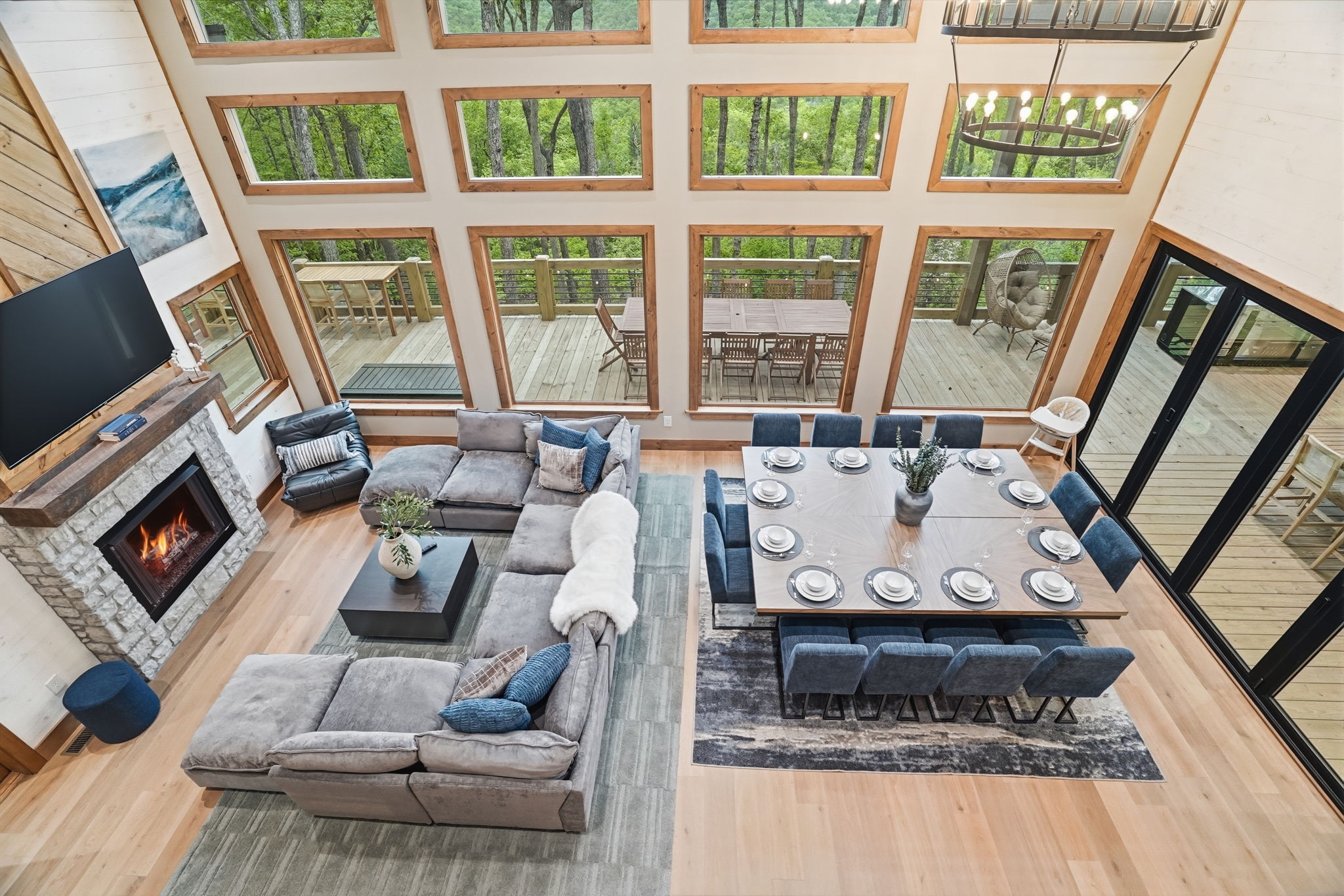
Families value bulky items they do not want to transport. A current, safety-compliant travel crib or pack-and-play, high chair, kid-friendly dishes, blackout shades, books, games, and washable toys can materially improve the stay. Outlet covers, cabinet locks, stair gates, and pool barriers must suit the property's actual hazards; providing one item does not make an entire home childproof.
Publish accurate sleeping arrangements and age or weight limits. Sanitize shared items, check recalls and missing hardware, and remove damaged equipment immediately.
Pet-Friendly Amenities
Welcoming pets requires more than checking a listing box. Consider washable beds, food and water bowls, waste bags, hooks for leashes, furniture covers, towels for muddy paws, and a guide to nearby pet-friendly parks, trails, restaurants, and veterinary care. A fenced yard is valuable only when fence height, gaps, gates, and shared access are described accurately.
State species, size, quantity, supervision, furniture, waste, and fee rules before booking. Choose durable finishes and include additional cleaning and yard inspection in the operating budget.
Outdoor and Recreational Amenities
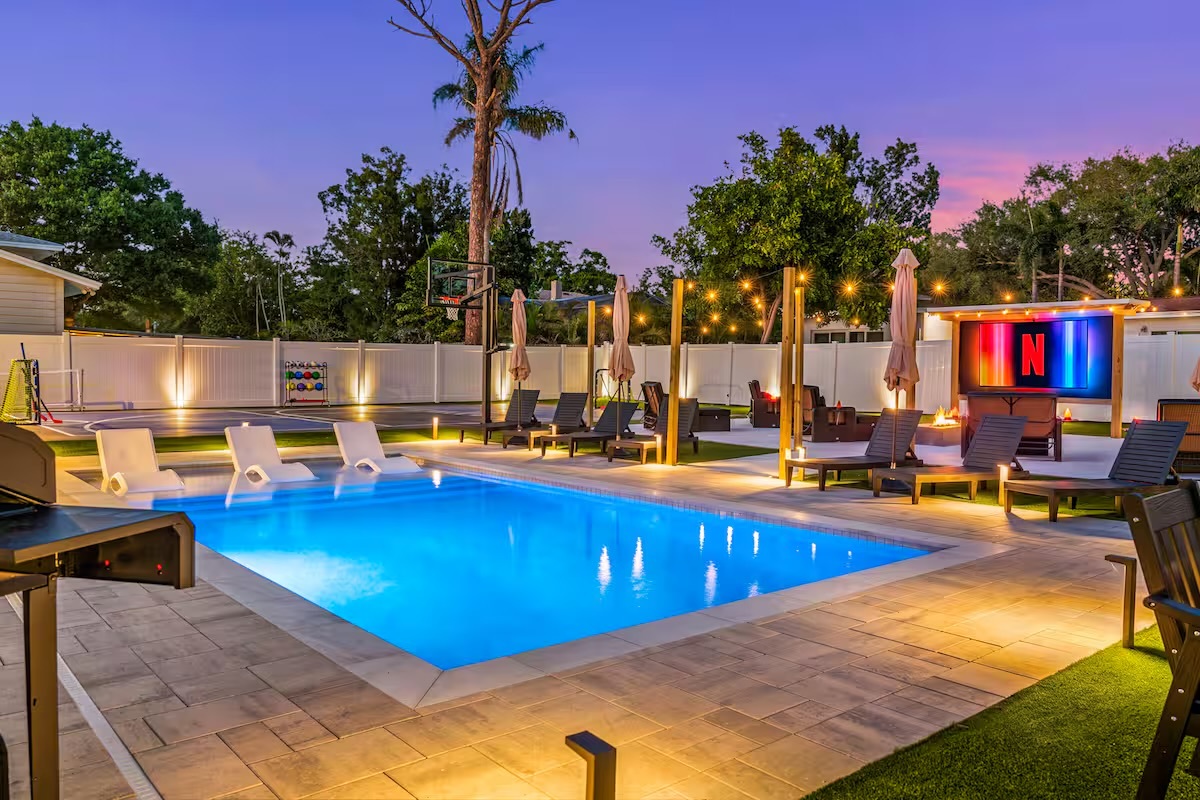
Outdoor features can extend living space and become a primary booking reason. Useful options include weather-resistant seating, dining space, shade, a grill, fire pit, hammock, yard games, bicycles, play equipment, a pool, or a hot tub. Match them to climate, season, site constraints, and guest type.
Every outdoor amenity needs a maintenance plan. Provide grill tools and fuel instructions; check fire restrictions before promoting a fire pit; inspect furniture and anchors; provide helmets and service bicycles; and maintain pool or spa water quality, barriers, covers, rules, and logs. See the Airbnb outdoor essentials guide for detailed planning.
Luxury, Wellness, and Experience Amenities
Premium bedding, an upgraded coffee station, sauna, hot tub, pool, outdoor kitchen, home theater, Peloton-style equipment, yoga gear, or a chef experience may support premium positioning. These are not universal upgrades. Validate demand and determine whether the added rate or occupancy can cover capital cost, cleaning, utilities, downtime, and liability.
Local art, books by local authors, regional snacks, a thoughtful guidebook, and partnerships for tours or classes can make a stay specific to its destination. Avoid fragile clutter or decorative items that slow cleaning. Personalized welcome items should respect guest privacy, dietary needs, and allergies.
Accessible and Inclusive Amenities
Potential improvements include step-free entry, accessible parking, wider routes, lever handles, reachable controls, grab bars, shower seating, visual alarms, captioned entertainment, and clear lighting. Accessibility is measurable: publish doorway widths, step counts, bed and toilet heights, shower configuration, slopes, and parking details rather than vague claims. Consult applicable standards and qualified professionals before representing a property as accessible.
Seasonal and Regional Amenities
Amenities should reflect the destination. Beach rentals may need outdoor rinsing, shade, coolers, and gear storage. Ski properties benefit from boot storage, drying space, entry mats, and snow-removal instructions. Rural homes may need backup lighting, insect controls, and clear well or septic guidance. Urban rentals often benefit from transit instructions, luggage storage, sound control, and a compact workspace.
Rotate only items the team can reliably maintain: beach gear and fans in summer; snow tools, extra blankets, and boot trays in winter. Update the listing whenever seasonal availability changes.
Budget-Friendly Improvements
- Extra pillows and machine-washable blankets
- Bedside charging and power strips
- Drawer and cabinet labels
- Current local maps and a host-tested guide
- Quality towels and full-length mirrors
- Board games with a turnover piece count
- Hooks, luggage racks, and practical storage
- Task lighting where guests read, cook, or work
Fix recurring pain points before buying decorative extras. Better lighting, storage, instructions, connectivity, and replacement of worn items often create more value than a novel amenity.
Amenities to Avoid or Reconsider
- Complicated technology: multiple remotes, mandatory apps, and unstable automation create support calls.
- Unmaintained features: a dirty hot tub, broken appliance, incomplete game, or unsafe bike is worse than no amenity.
- Clutter and host belongings: they reduce usable space and make cleaning harder.
- Audience mismatch: expensive features do not earn a return when target guests do not value them.
- Unsupported promises: do not label Wi-Fi “fast,” a yard “secure,” or a route “accessible” without checking.
Airbnb Amenity Audit and Upgrade Checklist
- Inventory every advertised amenity and verify that it exists, works, and matches listing photos.
- Review complaints, questions, and review mentions from recent stays.
- Compare direct competitors serving the same guest and trip type.
- Rank gaps by safety, stay failure, guest demand, and operating effort.
- Estimate complete first-year cost, including maintenance and replacement.
- Add one measurable upgrade at a time when possible.
- Update listing attributes, photos, captions, and instructions accurately.
- Assign turnover checks and preventive-maintenance dates.
- Review performance after enough comparable stays and keep, revise, or remove the feature.
Frequently Asked Questions
Which amenities should every Airbnb have?
Reliable climate control, clean sleeping and bathroom supplies, working safety equipment, adequate lighting, basic connectivity where advertised, and everything required to use the listed kitchen and sleeping capacity. Exact legal requirements vary by location.
Which amenities help a listing stand out?
The strongest differentiators fit the destination and guest: outdoor gathering space, family or pet equipment, a real workspace, wellness features, local experiences, or a distinctive recreation space. Reliability and presentation matter more than novelty.
How often should amenities be checked?
High-touch and consumable items need a turnover check. Safety devices and complex equipment need documented intervals based on law and manufacturer guidance. Review the full amenity inventory whenever listing details or seasons change.
How should amenity ROI be measured?
Compare complete cost with changes in listing conversion, achievable rate, occupancy, review sentiment, support workload, and maintenance downtime. Avoid attributing all performance changes to one feature when pricing, seasonality, or photos changed simultaneously.
Conclusion
The best Airbnb amenities create a dependable stay first and a memorable one second. Build from sleep, hygiene, safety, kitchen function, and connectivity; then select family, pet, work, outdoor, wellness, luxury, or local features that fit real demand. Accurate listing details and disciplined upkeep protect the value of every investment.