How to Design Short Term Rental: Complete Guide
The global vacation rental market has grown significantly, with reports citing market values in the $80-90+ billion range and continued growth. Success in this competitive market requires strategic design choices that maximize guest satisfaction and return on investment, including selecting must-have amenities for guests. Learning to design a short-term rental effectively determines whether your property generates consistent bookings or remains vacant.
STR Cribs has helped hundreds of property owners transform their spaces into profitable short-term rentals through our data-driven design approach. Our clients report measurable results: up to 64% increase in occupancy rates, 40% higher average daily rates (ADR), and $50,000 more in annual revenue compared to comparable properties.
This guide covers all aspects of designing a successful Short-Term Rental (STR) property, from legal considerations and property selection to interior design, guest experience, and management strategies. Before diving into design specifics, understanding the fundamentals of short-term rentals and their requirements provides a foundation for informed decision-making.
Understanding Short Term Rental Design Fundamentals
A short-term rental is a furnished property rented for brief periods, typically under 30 days, to travelers seeking temporary accommodation. Unlike traditional long-term rentals, STRs cater to guests who prioritize convenience, comfort, and unique experiences over long-term housing stability.
Successful STR properties include urban center apartments, vacation homes in resorts, business district condominiums, and unique properties like lofts, cabins, or historic homes. Each attracts different guest demographics and requires tailored design approaches.
Understanding your target audience is crucial for effective design decisions. Common short-term rental guests include business travelers who value reliable Wi-Fi, workspace areas, and proximity to commercial districts, vacation families seeking spacious accommodations with kitchens and entertainment options, and weekend getaway couples looking for romantic, well-appointed spaces with local charm.
In successful STR properties, strategic design choices deliver measurable returns:
- Higher occupancy rates through increased booking appeal
- Increased daily rates due to premium amenities and design
- Improved guest satisfaction, leading to positive reviews and repeat bookings.
- Higher ROI than traditional rental properties
Legal and Regulatory Requirements for Short Term Rental Design
Before investing time and money in property design, it is essential to navigate legal requirements for short-term rentals. Regulations vary by location, and non-compliance can result in hefty fines or forced closure of your rental business.
Common regulatory requirements include licensing mandates where many cities require STR operators to obtain business licenses or special permits. Zoning restrictions may limit STR operations to certain areas or property types. Occupancy limits specify maximum guest numbers based on property size and local fire codes. Additionally, Homeowners Association (HOA) rules may prohibit or restrict short-term rentals in certain developments.
Follow these steps to ensure compliance:
- Research local ordinances and regulations through city or county websites.
- Before listing your property, obtain all necessary permits and licensed property.
- Familiarize yourself with platform-specific rules for Airbnb, VRBO, and other booking sites.
- Consult a legal professional experienced in short-term rental regulations.
Stay informed about changing regulations, as many jurisdictions are updating their STR policies. Some cities have implemented registration systems, while others have banned STRs entirely in certain neighborhoods. These legal considerations impact how you design short-term rental spaces, particularly regarding occupancy limits and safety requirements.
Property Selection for Short Term Rental Design Success
Property selection forms the foundation of your STR success, influencing booking rates and design possibilities. The most critical factor when learning how to design a short term rental that attracts consistent bookings is location.
Properties near major attractions, business districts, airports, or unique destinations outperform those in less desirable areas. Consider proximity to restaurants, shopping, public transportation, and recreational activities. Guests value walkability and access to local experiences. For example, a downtown apartment within walking distance of popular restaurants and nightlife will command higher rates than a suburban property requiring extensive driving.
Property type impacts your target market and design approach. Urban apartments attract business travelers and city explorers, requiring modern amenities and efficient layouts. Vacation homes in scenic locations appeal to families and groups, demanding spacious common areas and outdoor amenities. Condominiums offer maintenance convenience but may have HOA restrictions that affect your design choices.
Size and layout should align with your target guest demographic. Studios and one-bedrooms work for couples and solo travelers, while larger properties accommodate families and groups willing to pay premium rates.
For optimal short-term rental design, consider these top locations:
- Urban centers with strong business travel demand
- Beach and mountain resorts
- College towns during sports seasons and graduation
- Wine country and culinary destinations
- National park gateway cities
The buy versus rent decision depends on your financial situation and long-term goals. Purchasing offers equity building and complete control but requires significant capital. Renting and subletting (where legal) requires less upfront investment but limits renovation possibilities and long-term wealth building.
Interior Design Strategies for Short Term Rental Success
Creating an exceptional short-term rental space requires balancing aesthetics, functionality, and durability. When you properly execute a short-term rental interior design, your design choices impact guest satisfaction, review scores, and booking rates.
Every element should serve a purpose while contributing to a cohesive, welcoming atmosphere. Key principles of effective STR interior design include functionality prioritizing guest needs and common use cases, durability to withstand frequent turnover and varied guest behaviors, and aesthetics creating Instagram-worthy spaces guests want to share and return to.
Design Style Selection for Short-Term Rental Appeal
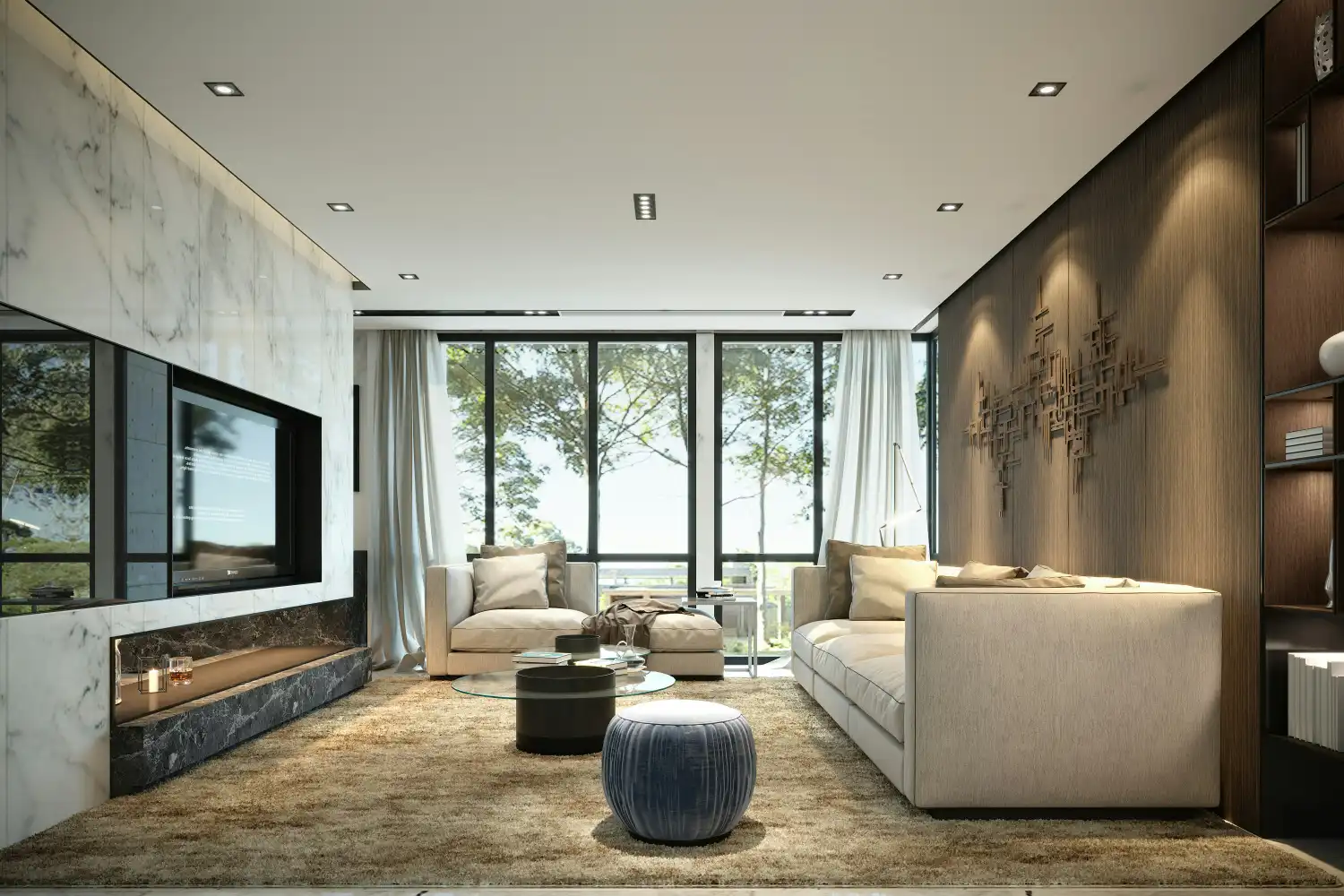
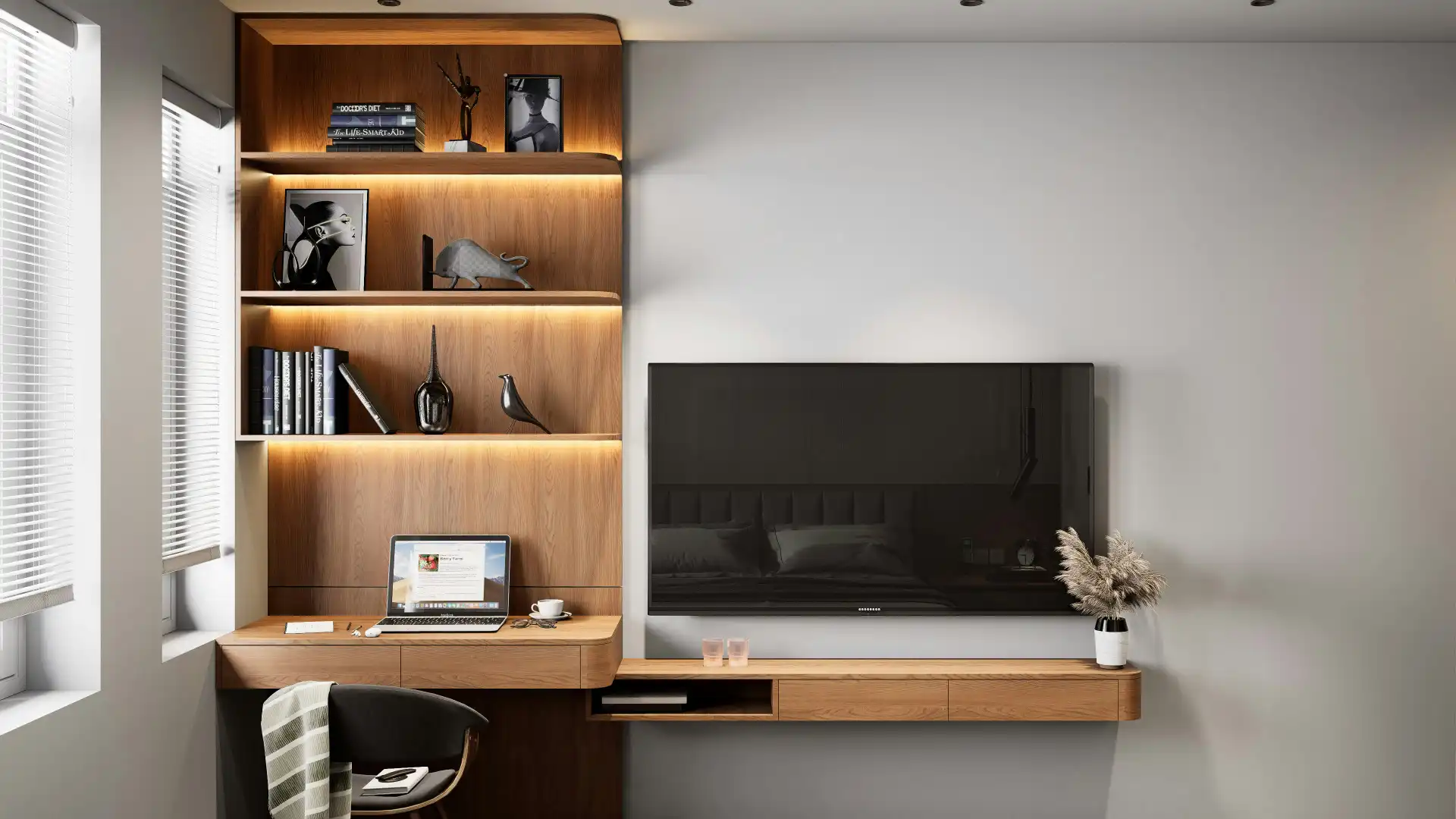
Choosing the right design style depends on your property's location, architecture, and target demographic. Modern minimalist designs appeal to business travelers and urban professionals, featuring clean lines, neutral colors, and uncluttered spaces. Coastal themes work for beach properties, incorporating blues, whites, and natural textures. Rustic or farmhouse styles suit mountain cabins and rural properties, emphasizing natural materials and cozy comfort.
Research successful properties in your market to identify popular design trends. Avoid overly personal or niche styles that might alienate potential guests. Neutral, broadly appealing designs generate more bookings than specific themes in short-term rental interiors.
Furniture and Décor Selection
Selecting furniture requires balancing style, comfort, and durability. Invest in high-quality mattresses and bedding since guest sleep comfort impacts reviews and repeat bookings. Choose durable sofas and chairs that can withstand heavy use while maintaining appearance.
Choose furniture with rounded edges to prevent injuries and damage. Select easy-to-clean and maintain pieces. Avoid light-colored upholstery that shows stains, opting for darker colors or patterns that hide wear.
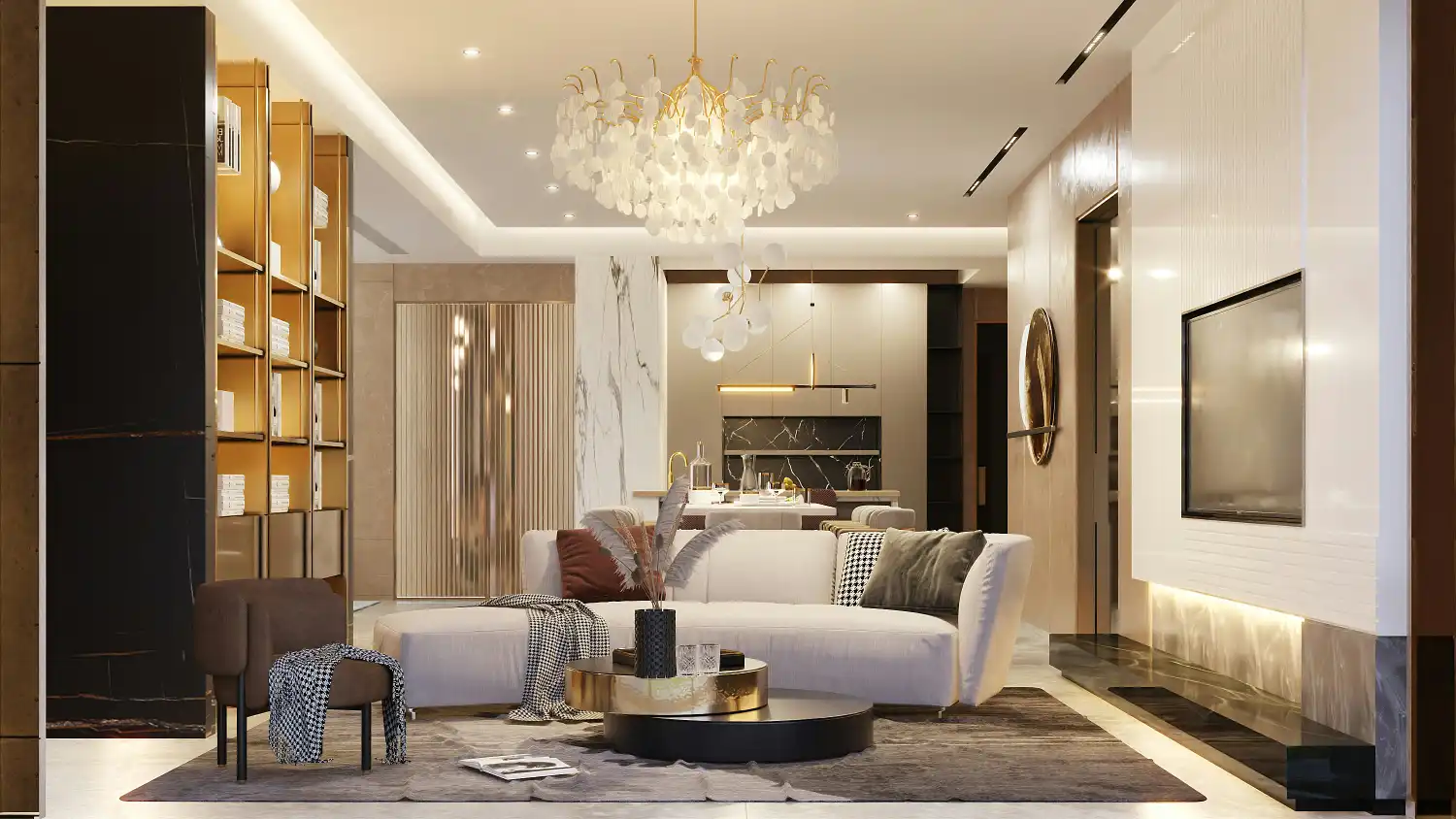
Décor should enhance the space without overwhelming it. Use artwork, plants, and accessories to add personality while maintaining broad appeal. Local artwork or photography creates a sense of place that guests appreciate.
Budget-Friendly Design for Short Term Rentals
Creating beautiful spaces on a budget requires strategic shopping and smart material choices. Focus your spending on high-impact items like mattresses, sofas, and artwork while saving on easily replaceable accessories.
Choose durable materials like laminate or luxury vinyl plank flooring that mimics hardwood but withstands moisture and scratches. Select furniture with protective finishes and stain-resistant fabrics. Invest in quality window treatments that provide privacy and light control while enhancing the design.
Consider the total cost of ownership, not just the initial purchase price. When designing short-term rental spaces, slightly more expensive, durable items often cost less long-term due to reduced replacement needs.
Data-Driven Design Approach
At STR Cribs, we use market data and guest behavior analytics to inform every design decision. Our data-driven design approach analyzes successful properties in your market, identifies guest preferences through review analysis, and incorporates elements to increase bookings and rates.
This scientific design approach eliminates guesswork and ensures your investment generates maximum returns. We track which design elements correlate with higher occupancy rates and adjust our recommendations.
Essential Amenities for Short-Term Rental Design
Modern travelers expect certain standard amenities, while unique features can differentiate your property and justify premium pricing. Understanding essential versus nice-to-have amenities helps prioritize your investment in designing a short-term rental.
For any short-term rental design, include these essential amenities:
- High-speed Wi-Fi with reliable connectivity throughout the property, as poor internet is a top complaint in negative reviews.
- Fully equipped kitchen with cookware, dishes, utensils, coffee maker, and basic condiments.
- Comfortable beds and quality linens with extra pillows, blankets, and fresh, hotel-quality sheets
- Clean towels and toiletries with backup supplies and basic shampoo, conditioner, and body wash
- TV with streaming services or instructions for guests to access their accounts
- Information on washer and dryer or nearby laundromat
Consider these unique features to differentiate your short-term rental design:
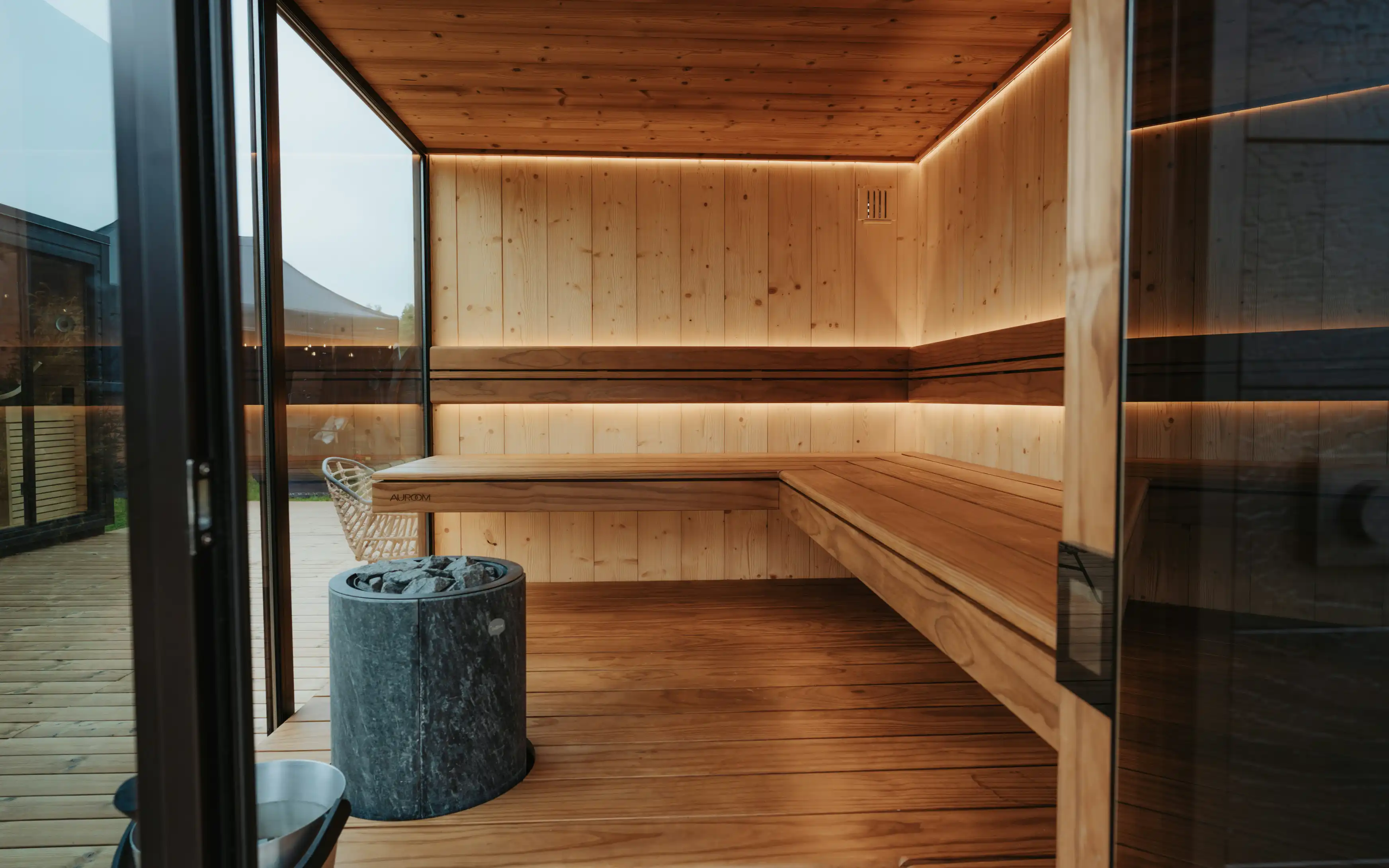
- Hot tubs or jacuzzis that create memorable experiences and justify higher rates
- Outdoor spaces with grills and seating areas for relaxation and dining.
- Game rooms or entertainment centers for families and groups
- Pet-friendly amenities in markets with pet-owning travelers
- Curated local experience recommendations with insider tips and pre-arranged activities
When selecting unique features, consider your target market. Business travelers value workspace areas and exercise equipment, while families appreciate games, books, and child-safe environments. Couples prefer romantic touches like fireplaces or outdoor seating areas.
Pricing Strategy for Short-Term Rental Design Investment
Competitive pricing strategies can make or break your short-term rental success. Underpricing leaves money on the table, while overpricing results in low occupancy rates and poor Return on Investment (ROI) regardless of your rental space design.
Effective pricing considers factors like location desirability, proximity to attractions, seasonal demand, local events, property amenities, unique features, and competitive analysis.
Market analysis should examine similar local properties, noting their amenities, pricing, and occupancy rates. Focus on properties with similar bedroom counts, amenities, and locations. Consider seasonal pricing variations and event premiums.
Dynamic pricing tools optimize your rates automatically based on demand, competition, and market conditions. These platforms adjust your prices in real-time, increasing revenue by 10-40% compared to static pricing.
Use these recommended tools for effective pricing and market analysis:
- AirDNA for market data and competitive analysis
- PriceLabs for automated dynamic pricing
- Revenue optimization
- Beyond Pricing for algorithmic rate management
Monitor your competition and adjust your pricing strategy based on performance data. Track occupancy rates, average daily rates, and total revenue to identify optimization opportunities that complement your short-term rental design investment.
Guest Experience Design for Short Term Rentals
Exceptional guest experiences generate positive reviews, repeat bookings, and referrals. When you design short term rental experiences, every touchpoint, from inquiry to post-stay follow-up, shapes guest perception and influences future bookings when you design short term rental experiences.
The check-in and check-out processes set the tone for the stay. Provide detailed, clear instructions with photos of key locations like parking, entry doors, and lockboxes. When possible, offer flexible timing, understanding that travel schedules often don't align with traditional hotel check-in times.
Keyless entry systems eliminate coordination headaches and provide guests with autonomous access. Smart locks, lockboxes, or building access codes streamline the process while maintaining security.
Local recommendations demonstrate your expertise and enhance guest experiences. Create curated guides featuring your favorite restaurants, attractions, and hidden gems. Include practical information like hours, reservation requirements, and transportation options.
In short term rental design, these personalized touches enhance guest experience:
- Welcome basket with local treats featuring regional specialties and artisanal products.
- A handwritten welcome note acknowledging guests by name and highlighting special property features.
- Personalized recommendations based on guest interests from their communications
- Local guidebooks or maps with your annotations and suggestions
- Emergency contact information and local resources for guest peace of mind.
Consider the small details that create lasting impressions. Fresh flowers, quality coffee, or locally-made soap elevate the guest experience without significant expense.
Maintenance Standards for Short Term Rental Design
Cleanliness standards for short-term rentals exceed typical residential properties. Guests expect hotel-level cleanliness and will leave negative reviews for minor oversights without proper maintenance protocols.
Comprehensive cleaning protocols and maintenance schedules protect your reputation and prevent costly repairs. Regular maintenance checks should occur between guests and during longer stays. Inspect appliances, plumbing, electrical systems, and HVAC equipment to identify issues before they impact guests.
Cleaning protocols should emphasize eco-friendly products safe for guests while effectively sanitizing surfaces. They should focus on high-touch areas like door handles, light switches, remote controls, and bathroom fixtures. All linens and towels should be washed at high temperatures for proper sanitization.
Professional cleaning services offer consistency and expertise but increase costs. Self-cleaning saves money but requires significant time investment and attention to detail. Many successful operators start with self-cleaning and transition to professional services as their portfolio grows.
For short-term rental design maintenance, include these cleaning essentials:
- Deep clean all bathrooms including toilets, showers, and floors
- Clean kitchen appliances inside and out, including refrigerator and oven.
- Fresh linens on all beds with hospital corners and proper presentation
- Vacuum all floors and carpets, then mop hard surfaces.
- Dust all furniture, fixtures, and decorative items.
- Restock amenities like toilet paper, towels, and toiletries.
- Check and replace light bulbs, remote batteries, and smoke detectors.
- Empty all trash cans and replace liners.
Document your cleaning process with photos to ensure consistency among cleaners and identify areas needing attention.
Marketing Your Short Term Rental Design
Your online listing is your main marketing tool, making first impressions that determine whether potential guests book or keep searching. Professional presentation across all platforms impacts your booking success and revenue potential when you market how to design a short-term rental.
High-quality photography is essential for short-term rental success. Professional photos boost booking rates by up to 40% compared to amateur shots. Capture each room from multiple angles, emphasize unique features, and ensure proper lighting to make spaces look bright and welcoming.
Descriptions highlight your property's unique selling points and address common guest concerns. Use descriptive language that helps guests visualize their stay while including practical information about amenities, location, and policies.
Platform-specific optimization varies between Airbnb, VRBO, Booking.com, and other rental platforms. Each platform weighs different factors in their search algorithms, requiring tailored approaches to maximize visibility.
To improve your short-term rental design visibility and booking rate:
- Use consistent professional photography, lighting and staging throughout.
- Write compelling, detailed descriptions that tell a story and address guest needs.
- Use relevant keywords in titles and descriptions.
- Respond promptly to inquiries, as response time affects search ranking algorithms.
- Encourage guests to leave reviews through follow-up communication and excellent service.
- Maintain competitive pricing based on market analysis and seasonal demand
- Update your calendar regularly to reflect accurate availability and avoid penalties.
Monitor your listing performance metrics, including views, inquiries, and booking conversion rates. Platforms provide analytics tools to identify optimization opportunities and track your progress against competitors.
Success in Designing Short Term Rental Booking Management
Professional communication builds trust, prevents misunderstandings, and creates positive guest experiences that result in excellent reviews. While maintaining personal touches that make guests feel valued, develop templates for common scenarios regardless of how you design short-term rental communication systems.
Prompt response times are crucial for booking success and platform ranking. Most platforms expect hosts to respond to inquiries within an hour during peak times and within 24 hours maximum. Quick responses demonstrate professionalism and increase booking likelihood.
Essential communication templates should cover booking confirmations with property details and policies, pre-arrival instructions including check-in procedures and local information, and check-out instructions with departure procedures and feedback requests.
Booking management requires organized systems for tracking reservations, coordinating cleaning and maintenance, and handling cancellations. Property management software can automate many routine tasks while ensuring nothing is overlooked.
These communication tools help for streamlined short-term rental design operations:
- Automated messaging platforms for routine communications
- Translation services for international guests
- Emergency contact systems for urgent situations
- Feedback tools for continuous improvement
Promptly and professionally address guest concerns. Most issues can be resolved quickly with good communication and reasonable solutions. Document recurring problems to identify maintenance needs or policy adjustments.
FAQs About Short Term Rental Design
What insurance do I need for a short-term rental?
A: Short-term rental insurance differs from standard homeowners or renters insurance. You'll need specialized vacation rental or landlord insurance with short-term rental riders. These policies cover property damage, liability claims, and loss of rental income. Many standard policies exclude coverage for commercial activities like short-term rentals. Additionally, platform-provided insurance (like Airbnb's Host Protection Insurance) offers limited coverage that supplements but doesn't replace comprehensive insurance. Consult with insurance professionals experienced in vacation rental coverage to ensure adequate protection.
Q: How are short term rentals taxed?
A: Short-term rental taxation is complex and varies by location-dependent. Rental income is taxable, but you can deduct legitimate business expenses like cleaning, maintenance, utilities, and depreciation. Some locations impose occupancy taxes to collect from guests and remit to authorities. The IRS has rules about personal versus rental use affecting deductions. Consult a tax professional experienced in short-term rental taxation to ensure compliance and optimize your tax strategy.
Q: What apps or software can help manage my rental?
A: Property management software streamlines operations and improves guest experiences. Popular options include Hospitable for automated messaging and booking management, Guesty for multi-platform listing management, OwnerRez for comprehensive features, and Hostfully for guest communication and guidebook creation. Choose platforms that integrate with your booking channels and automate tasks while maintaining personal connections.
Q: How can I finance my short-term rental design and renovation?
A: STR Cribs offers specialized financing for short-term rental properties. We provide up to $150,000 financing for furnishing and renovation projects, with 0% introductory rates for qualified borrowers. This financing allows you to create professionally designed spaces without depleting cash reserves, enabling faster market entry and higher revenue. Our financing integrates with our design services, ensuring your investment maximizes aesthetic appeal and profitability.
Conclusion
Designing a successful short-term rental requires careful planning, market understanding, and attention to detail beyond interior decorating. Every decision, from legal compliance and property selection to guest experience optimization and ongoing management, impacts your property's profitability and long-term success.
Effectively designing a short-term rental involves data-driven design, legal compliance, market research, guest-focused amenities, professional presentation and marketing, and systematic management.